
Introduction
Dental sealants for cavity prevention in children are a simple way to protect young teeth. Cavities are common in kids, but sealants can help stop them before they start. In fact, the CDC reports that children without sealants have almost three times more cavities than those with them. Because of this, many parents choose sealants to keep their child’s smile healthy. In this blog, you will learn what dental sealants are, how they work, and why they are a smart choice for your child’s long-term oral health.
What Are Dental Sealants?
Dental sealants are thin, protective coatings placed on the chewing surfaces of back teeth. These teeth, called molars and premolars, have deep grooves where food and germs can hide. Since brushing may not always reach these spots, sealants act as a shield. They keep out food and bacteria, making it harder for cavities to form. Usually, dentists recommend sealants for children as soon as their first permanent molars appear, often around age six.
How Dental Sealants Prevent Cavities in Children
Sealants work by covering the tiny pits and grooves on the top of back teeth. As a result, food and germs cannot get trapped as easily. When these areas stay clean, the risk of tooth decay drops. According to the CDC, sealants can prevent up to 80% of cavities in the first two years after application. Even after four years, they still protect against about half of cavities. Therefore, dental sealants for kids are a proven way to keep teeth strong and healthy.
Benefits of Dental Sealants for Long-Term Oral Health
Dental sealants offer many long-term benefits for children’s oral health. For example, they:
Additionally, sealants are quick and painless to apply. Because they last for years, they give lasting protection during the most cavity-prone years.
The Dental Sealant Procedure: What Parents Should Know
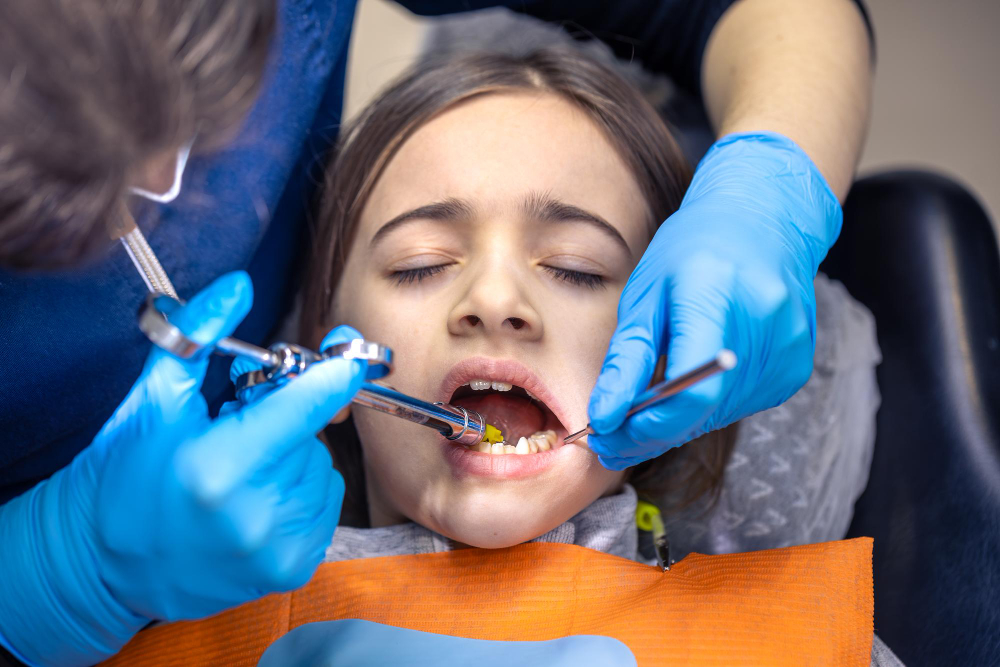
Getting dental sealants is easy and does not hurt. Here is what you can expect:
After the procedure, your child can eat and drink right away. Most sealants last several years but should be checked at each dental visit.
Safety and Effectiveness of Dental Sealants
Many parents wonder if dental sealants are safe. According to the CDC and American Dental Association, sealants are safe for children. They have been used for decades with no major side effects. While some sealants contain a small amount of BPA, studies show the amount is far below any level of concern. In addition, sealants are highly effective at preventing cavities, especially when combined with regular brushing and dental checkups.
Cost-Effectiveness: Are Dental Sealants a Good Investment?
Dental sealants are a smart investment for families. Although there is an upfront cost, sealants can save money in the long run. Treating a cavity often costs much more than applying a sealant. Many dental insurance plans cover sealants for children. Some community programs also offer dental sealants in schools or clinics. For example, getting dental sealants in your city may be more affordable than you think. By preventing cavities, sealants help avoid pain, missed school days, and costly dental treatments.
Tips for Maintaining Your Child’s Oral Health After Sealants
Even with sealants, good oral care is important. To keep your child’s teeth healthy, try these tips:
With these habits, your child’s teeth will stay strong and cavity-free.
Frequently Asked Questions About Dental Sealants
Conclusion and Call-to-Action
Dental sealants for cavity prevention in children are a safe, cost-effective way to protect your child’s teeth. Because they prevent most cavities, sealants help your child avoid pain and costly dental work. For long-term oral health, sealants are a wise choice. Consult your child’s dentist to learn if dental sealants are right for them.